
白辰甲
Principal Research Scientist
Institute of Artificial Intelligence (TeleAI), China Telecom
Founder & CEO
Gamma Robotics(伽马智能)
Biography
I am the Founder & CEO of Gamma Robotics(伽马智能) and a Principal Research Scientist at the Institute of Artificial Intelligence (TeleAI), China Telecom, where I also lead the Embodied AI Research Center. Across both roles, I focus on robot foundation models, autonomous learning, and real-world deployment. We work under the leadership of Prof. Xuelong Li, who serves as the dean of TeleAI. Previously, I was a Researcher at Shanghai AI Laboratory, affiliated with IPEC group. My research interests include diffusion/transformer policy, LLM-driven planning, world model, preference learning, RL/MPC-based locomotion, dexterous manipulation, representation learning, sim-to-real, multi-agent collaboration, as well as real-world applications for robot arm, dexterous hand, quadruped robot, and humanoid robot.
I holds a Ph.D. degree in Computer Science from Harbin Institute of Technology (HIT), advised by Prof. Peng Liu. I am fortunate to have been collaborated with many fantastic researchers. I was a joint PhD student at University of Toronto and Vector Institute, working with Prof. Animesh Garg. I also used to be an intern at Huawei Noah’s Ark Lab (advised by Prof. Jianye Hao), Tencent Robotics X (advised by Dr. Lei Han), and Alibaba. I received my Bachelor’s degree and Master’s degree in Computer Science from HIT.
中文简介:白辰甲,博士,伽马智能(Gamma Robotics)创始人兼首席执行官(CEO),中国电信人工智能研究院(TeleAI)领军科学家、具身智能研究中心主任,兼任清华大学、上海交通大学、复旦大学行业导师,联合培养专项工程博士。入选第十届中国科协青年“托举”人才,上海市青年科技英才“扬帆计划”,上海市徐汇区“光启”青年人才。负责研发TeleBot系列人形机器人和轮式机器人研发,在技术上构建软硬件一体化、大小脑协同等具身智能体系,实现具身智能体的通用策略学习,推动机器人应用。围绕具身大脑构建了跨本体适配模型、灵巧操作任务规划平台、和数据合成平台;围绕具身小脑构建了首个开源机器人全身仿人运动控制框架、文本驱动的通用小脑、感控一体人形机器人等。学术成果方面,已发表高水平论文80余篇,包括机器学习顶会NeurIPS、ICML、ICLR,人工智能顶刊AI Journal、TPAMI、SCIC,机器人顶会ICRA、CoRL等,撰写《强化学习:前沿算法与应用》专著,由机械工出版社出版。撰写了国内首篇《大模型驱动的具身智能:发展与挑战》综述,下载量2万余次,获中国科学年度最具人气论文。承担国家自然科学基金、国家重点研发计划课题、上海市科委项目、中国电信内部立项等项目。获世界人工智能大会优秀论文提名奖、ICCV多地形人形机器人挑战赛冠军、哈尔滨工业大学优秀博士论文奖等奖项,相关成果受到MIT Technology Review、CCTV等媒体报道。担任顶级会议NeurIPS、ICML、AAMAS、ICME、PRCV领域主席,并担任多个顶级期刊和会议的审稿人。
团队招收具身智能方向全职研究人员、实习生、联培博士生,具体详见链接.
- Embodied AI
- Reinforcement Learning
- Foundation Model for Decision Making
PhD in Computer Science, 2017-2022
Harbin Institute of Technology
Joint PhD Program, 2021-2022
University of Toronto

Publications
“✉” denotes corresponding author
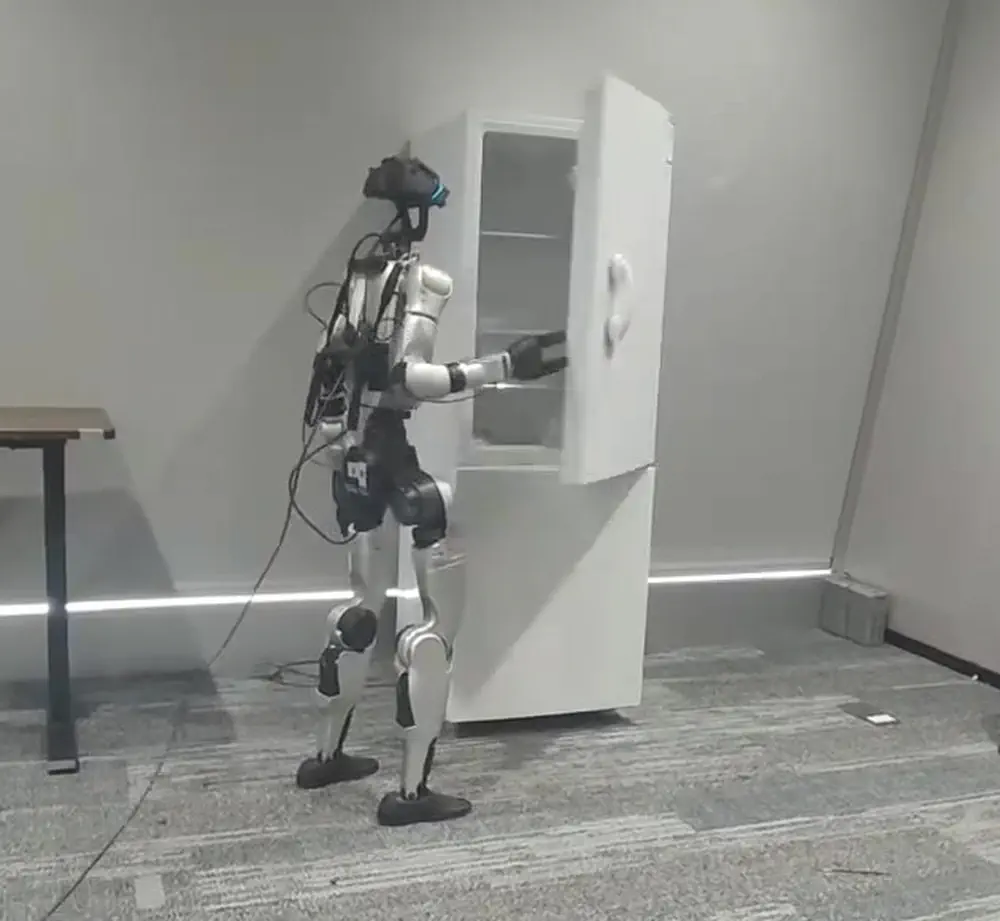
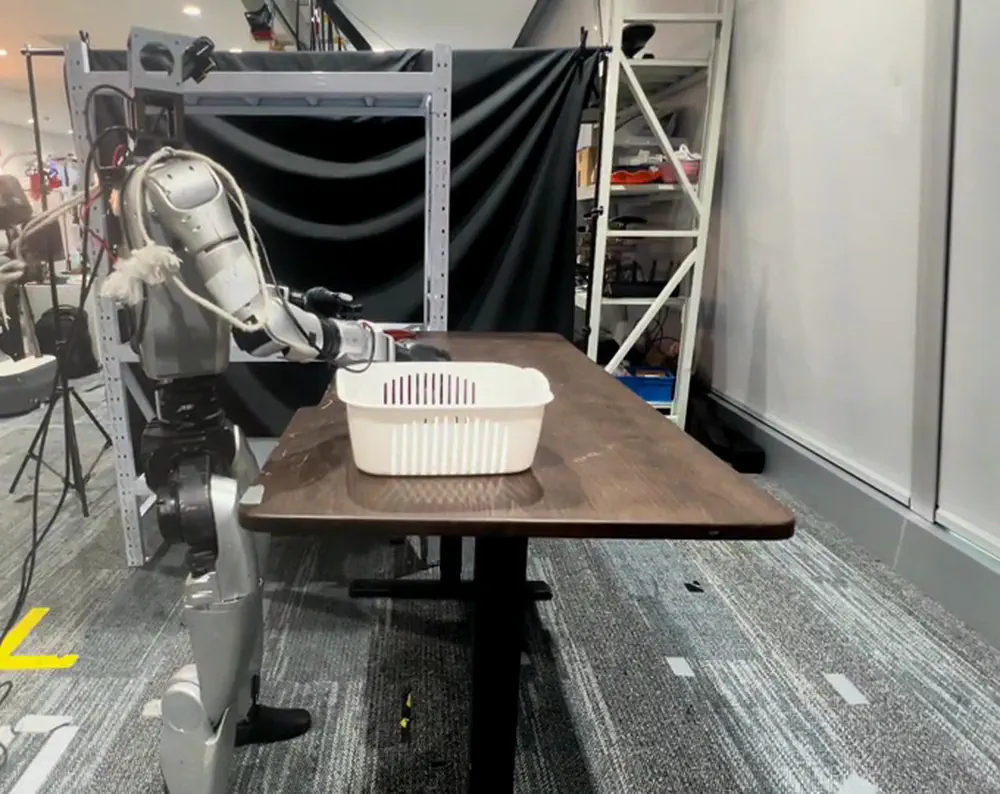
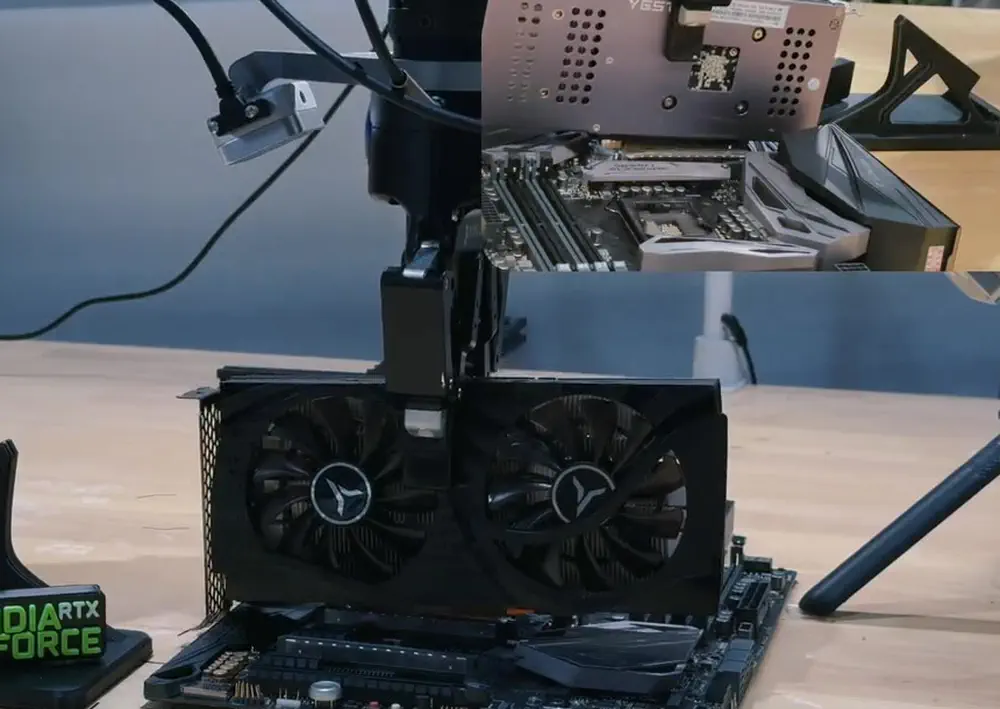
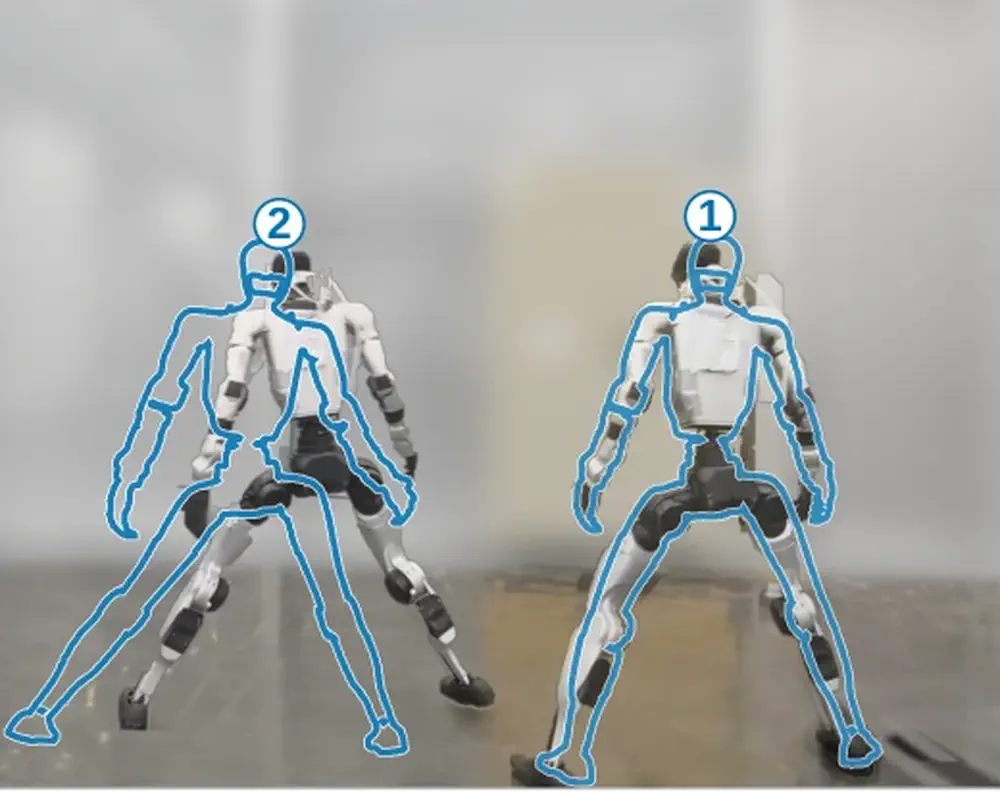
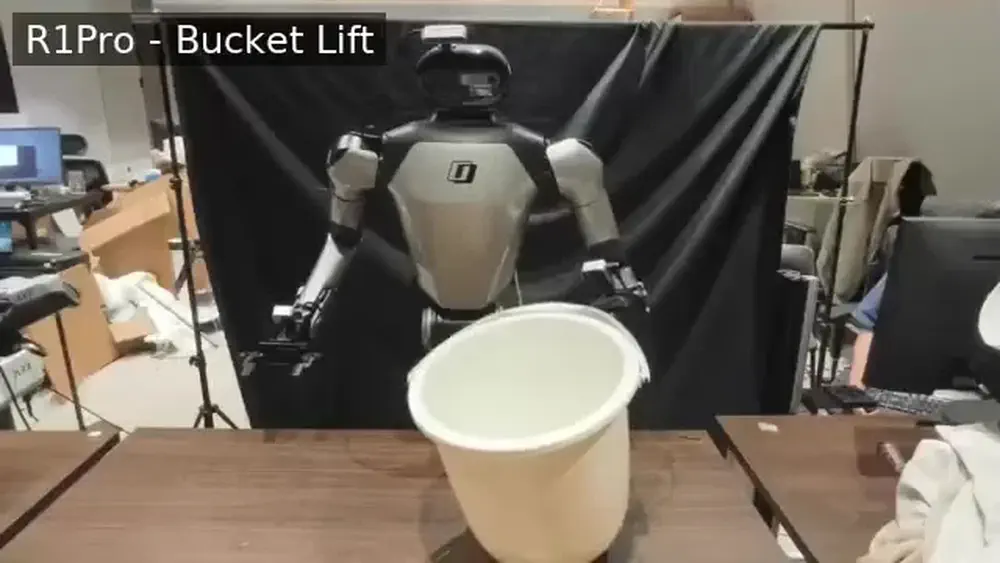
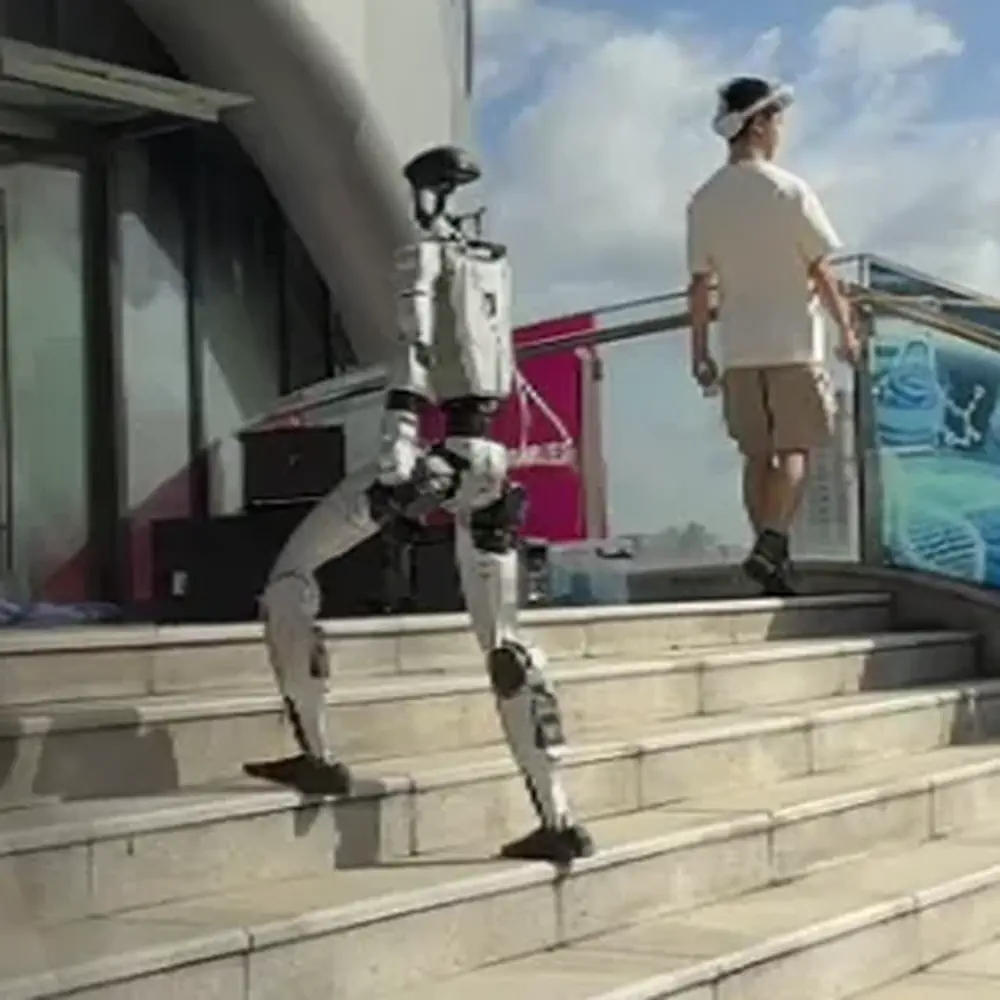
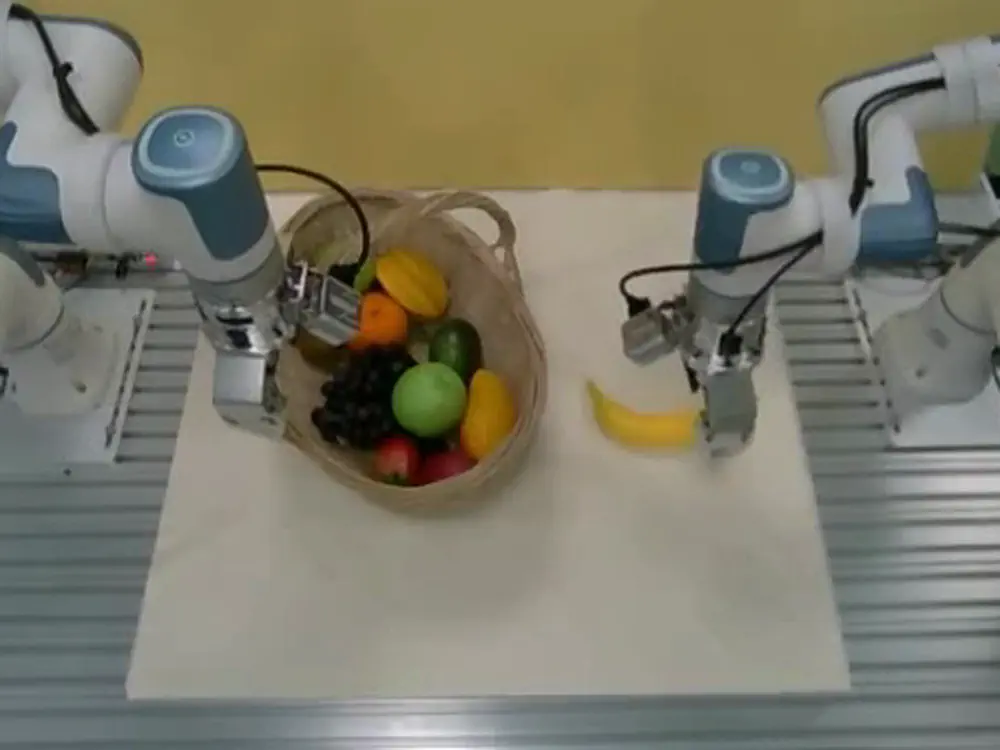









Talks
- 中国计算机大会(CNCC 2026)Tutorial:大规模强化学习:从理论基础到大模型与具身智能应用. 中国计算机学会. 2026
- 迈向自主进化的人形机器人全身模型. 2026
- CSIG图像图形中国行(青岛城市学院站):自我进化的具身模型. 中国图像图形学会. 2026
- 可穿戴机器人与人形机器人国家标准专题研讨会:人形机器人国家标准制定. 全国机器人标准化技术委员会. 2026
- 具身决策前沿:从强化学习到具身大模型PDF. 中国计算机学会. 2026
- 中国具身智能大会:迈向跨本体泛化的通用操作模型. 中国人工智能学会. 2026
- 光大证券年度投资策略会: 重构人类生产力,机器人点亮未来. 光大证券 2025.
- 半导体无线网络芯片技术论坛: 具身智能大小脑协同. 华为技术有限公司 2025.
- 清华大学深圳国际研究生院: SIGS专题讲座. 清华大学 2025.
- 人工智能研讨活动: 人工智能学会具身智能研讨会. 中国人工智能学会 2025.
- 中国空间智能大会: 空间智能与人形机器人论坛. 中国图象图形学学会 2025.
- 上海市计算机学会计算机视觉专委会学术年会: 视觉中的大模型学习论坛. 计算机学会 2025.
- 具身智能开发者大会: 人形机器人运动与交互专题论坛. 张江科学会堂 2025.
- VALSE Webinar 379: 具身智能中的多模态感知与精细操控. VALSE 2025.
- 中国具身智能大会: 模式识别与机器人论坛. 人工智能学会 2025.
- CSIG图像图形学科前沿讲习班: 小模型的曙光和机会之思辨. 图形图像学会 2025.
- 自主机器人技术研讨会(ARTS 2024): 大模型驱动的具身智能. 自动化学会 2024.
- CCF决策智能会议(RLChina): 具身智能体与机器人论坛. 计算机学会 2024.
- 中国数据挖掘会议: AI Agent与多智能体系统研讨会. 计算机学会 2024.
- 世界人工智能大会-WAIC: 青年优秀论文论坛. 上海科协 2024.
- 中国具身智能大会: 大模型与具身智能. 人工智能学会 2024.
- 上海自主智能无人系统科学中心: 智能决策学术报告. 同济大学 2023.
- 决策智能峰会: 决策大模型论坛. DataFun 2023.
- 多智能体强化学习讲习班: 离线强化学习和大模型. 自动化学会 2023.
- GAITC 全球人工智能技术大会: 人工智能原理专题论坛. 中国科协 2023.
- 高级人工智能公开课: 强化学习. 天津大学 2023.
- 从统计学到人工智能研讨会: 强化学习的不确定性估计. 上海财经大学 2022.


Service
- Area Chair (AC) of International Conference on Machine Learning (ICML) (2027-) [proof]
- Area Chair (AC) of Neural Information Processing Systems (NeurIPS) (2026-) [proof]
- Senior Program Committee Member (SPC) / Area Chair (AC) of AAMAS (2024 - 2025) [proof]
- Area Chair (AC) of Pattern Recognition and Computer Vision (PRCV) (2025 - ) [proof]
- Industry Program Chair of IEEE International Conference on Multimedia and Expo (ICME) 2026 [proof]
- Program Committee Members (PC) / Conference Reviewer of RSS (2024 - Present)
- Program Committee Members (PC) / Conference Reviewer of NeurIPS (2021 - Present)
- Program Committee Members (PC) / Conference Reviewer of ICLR (2021 - Present)
- Program Committee Members (PC) / Conference Reviewer of ICML (2022 - Present)
- Program Committee Members (PC) / Conference Reviewer of AAAI (2021 - Present)
- Program Committee Members (PC) / Conference Reviewer of ICRA (2024 - Present)
- Program Committee Members (PC) / Conference Reviewer of ECAI (2023 - Present)
- Journal Reviewer: IEEE Trans. PAMI, IEEE Trans. Cybernetics, IEEE Trans. TNNLS, IEEE Trans. TETCI, IEEE Trans. Intelligent Vehicles, Pattern Recognition.